Is There 1 Best Dog Food? How to Choose the Right One
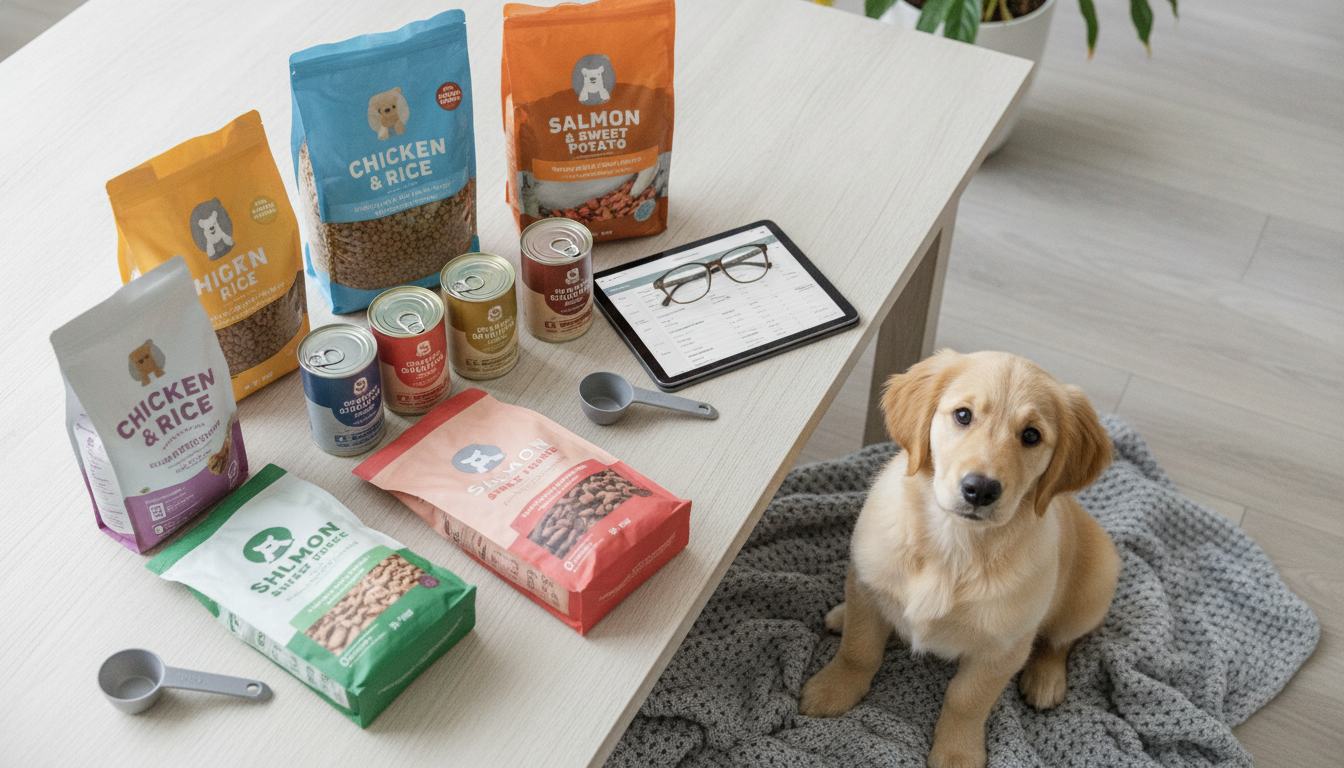
What is the 1 best dog food?
There isn’t a single “1 best” dog food that fits every dog. The best choice depends on your dog’s life stage, size, activity level, sensitivities, and how well they tolerate specific proteins and ingredients. A food that’s perfect for a high-energy young dog may be too calorie-dense for a senior, while a chicken-based recipe can be a non-starter for dogs with poultry sensitivities.
Instead of chasing one universal winner, aim for the best match for your dog—starting with a complete and balanced formula and a track record of consistent quality. If you want a guided breakdown of top options and what to look for on the label, visit https://invictar.us/what-is-the-best-dog-food/.
How to identify a top-tier dog food
Look for a statement that the food is “complete and balanced” for your dog’s life stage (puppy, adult, or all life stages). Prioritize clearly identified animal protein (for example, salmon, beef, lamb, or turkey) and avoid relying on vague terms like “meat by-product” as the main protein source. For most dogs, a formula with a defined protein, moderate fat, and digestible carbohydrates tends to perform well.
Match the formula to your dog’s needs
Puppies generally do best with growth-appropriate nutrition and higher calorie density. Adults often thrive on maintenance formulas tailored to their activity level. Seniors may benefit from controlled calories plus joint-supportive nutrients. If your dog has recurring itching, loose stools, or frequent ear issues, switching to a limited-ingredient or sensitive-stomach formula with a novel protein can help narrow triggers (with veterinarian guidance).
Signs you picked the right food
The “best” food shows up in results: steady energy, normal stools, a shiny coat, minimal itching, and a healthy weight. When transitioning, change foods gradually over 7–10 days to reduce digestive upset and watch for changes in stool consistency, appetite, and skin.
FAQ
How do I switch dog foods without upsetting my dog’s stomach?
Mix the new food into the old food gradually over 7–10 days, increasing the new portion every couple of days. If diarrhea or vomiting occurs, slow the transition and consult a veterinarian if symptoms persist.














Leave a comment